Uncategorized

Uncategorized

Why Wooden Kitchenware Is Becoming a Bestseller Worldwide

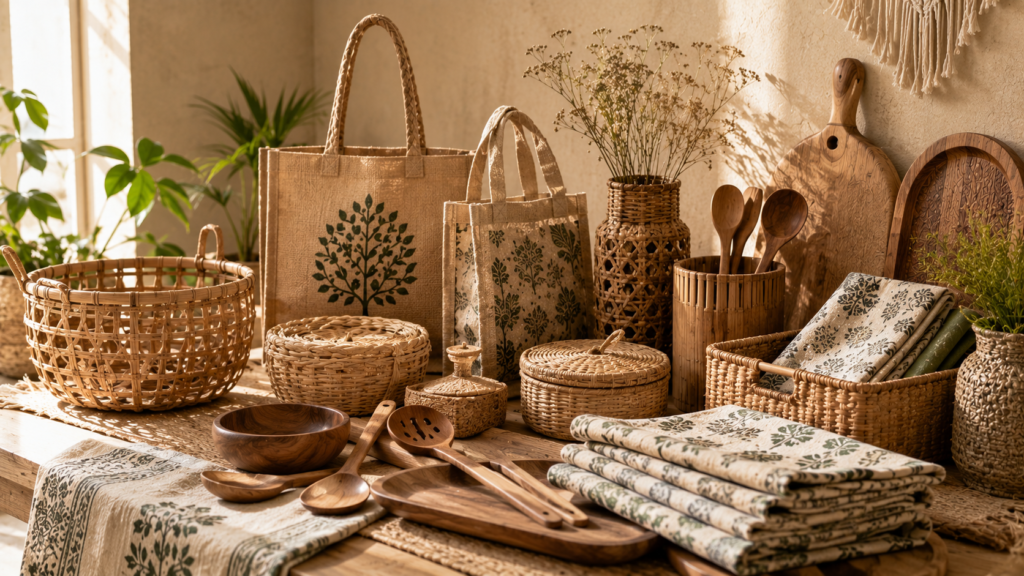
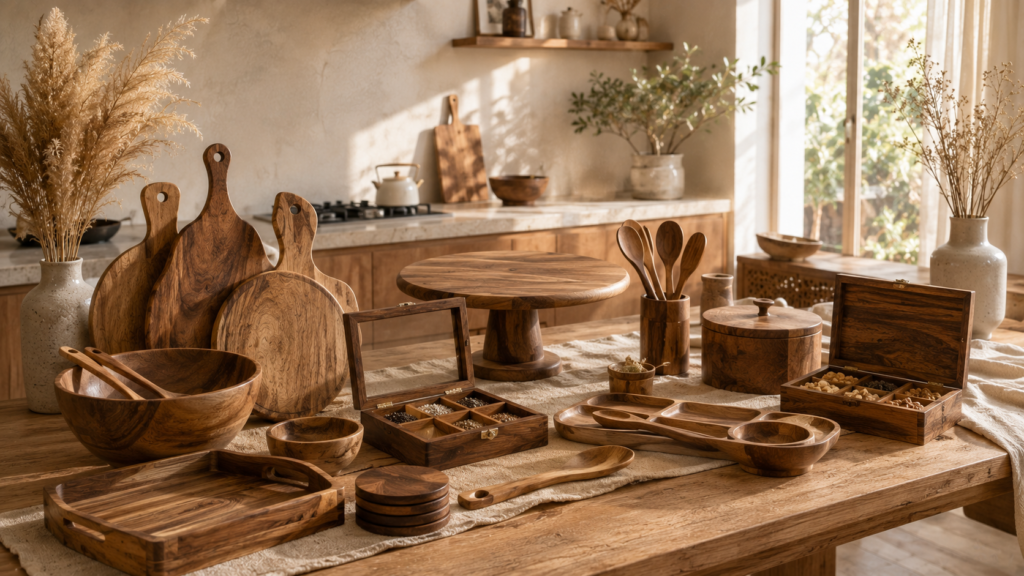
Introduction Modern kitchens are evolving beyond functionality. Today’s consumers seek products that combine natural beauty, durability, and craftsmanship. Wooden kitchenware has emerged as one of the fastest-growing categories in home and dining markets, with demand increasing across restaurants, boutique retailers, hospitality brands, and online marketplaces. India’s handcrafted wooden products are helping retailers satisfy this growing demand. Why Consumers Love Wooden Kitchenware Popular Wooden Kitchen Products Discuss: Restaurant & Hospitality Trends Luxury restaurants increasingly use handcrafted wooden serveware because it enhances food presentation while creating a premium dining experience. Hotels, cafés, resorts, and boutique restaurants are incorporating natural materials into their table settings to align with contemporary interior trends. Private Label Opportunities Explain: Buying Tips for Importers Discuss: Conclusion Wooden kitchenware combines craftsmanship, functionality, and timeless appeal, making it one of the most promising categories for global retailers. ✨ Discover Global Sourcing Excellence with Jayan Overseas ✨ Jayan Overseas is your trusted B2B sourcing partner, connecting international buyers with India’s finest manufacturers and curated product lines from handicrafts and home décor to kitchenware, textiles, hospitality essentials, and more. With verified suppliers and end-to-end support, we make global procurement seamless, reliable, and efficient. 👉 Elevate your sourcing experience explore Jayan Overseas today. 📦 Bulk orders & customisation | 🌍 Worldwide delivery | 🤝 Trusted by global buyers

Uncategorized

A Buyer’s Guide to Bamboo, Cane & Rattan Products

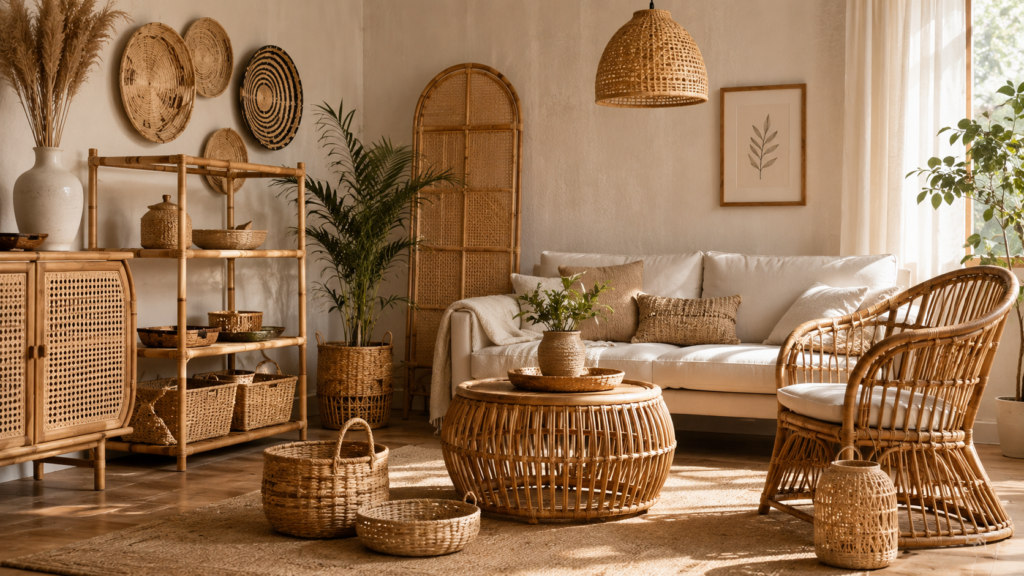
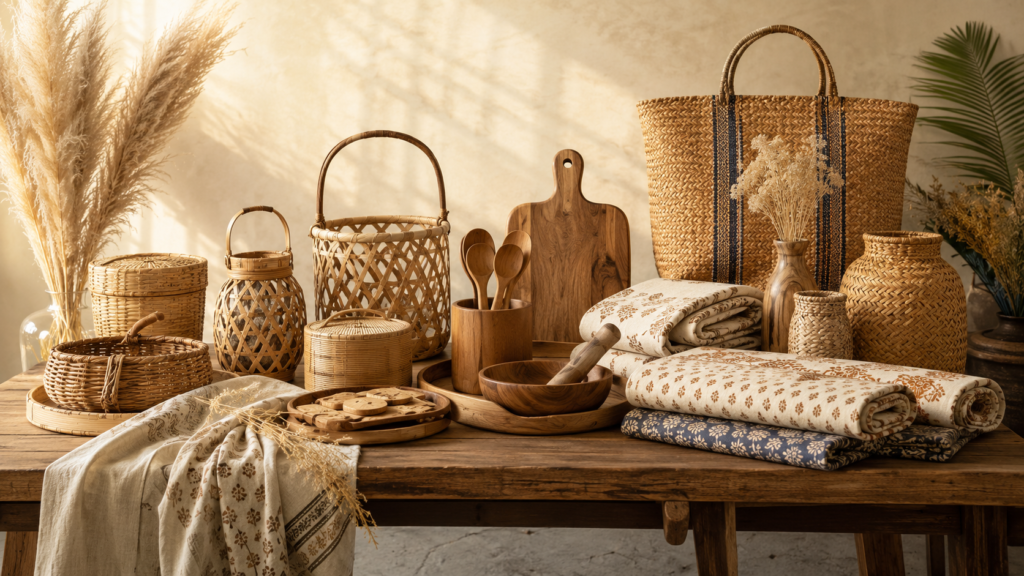
Introduction Natural materials have become one of the defining trends in modern interior design and sustainable retail. Across Europe, the United States, Australia, and the Middle East, consumers are choosing products that combine functionality with authentic craftsmanship and timeless aesthetics. Among the most sought-after materials are bamboo, cane, and rattan. While these materials are often grouped together, they differ significantly in terms of appearance, strength, flexibility, durability, and applications. For importers and retailers, understanding these differences is essential when building successful product collections. This guide explains everything buyers need to know before sourcing bamboo, cane, and rattan products from India. Understanding Bamboo Bamboo is one of the fastest-growing renewable materials in the world. Known for its exceptional strength and lightweight properties, bamboo is widely used to manufacture baskets, trays, organizers, furniture, kitchen accessories, and decorative products. Its clean lines and natural appearance make it suitable for both contemporary and rustic interiors. For retailers looking to introduce eco-conscious product ranges, bamboo offers versatility across multiple home and lifestyle categories. What is Cane? Cane is obtained from the outer skin of rattan vines and is commonly woven into intricate patterns for furniture and decorative products. Its flexibility allows artisans to create elegant textures that add warmth and sophistication to interiors. Today, cane is widely used in cabinets, storage boxes, magazine holders, wall décor, mirrors, trays, and home accessories. Understanding Rattan Rattan is a naturally growing climbing palm that has been used in furniture making for centuries. Unlike cane, which is used mainly for weaving, rattan forms the structural framework of furniture and larger home décor products. Because of its strength and flexibility, rattan is commonly used for chairs, coffee tables, baskets, lighting fixtures, and storage furniture. Indoor vs Outdoor Applications While all three materials are natural, not every product is designed for outdoor use. Indoor products typically prioritize aesthetics, fine weaving, and decorative appeal. Outdoor furniture generally requires protective treatments, weather-resistant finishes, and appropriate construction techniques. Importers should always confirm intended product usage with manufacturers before placing orders. Care and Maintenance Proper maintenance helps preserve the appearance and durability of natural-material products. General recommendations include: Wholesale Opportunities Natural-material collections continue expanding across: The combination of sustainability, craftsmanship, and modern aesthetics makes bamboo, cane, and rattan one of the strongest product categories for international buyers. Final Thoughts Whether you’re building an eco-friendly lifestyle collection or expanding your home décor range, bamboo, cane, and rattan products offer timeless appeal and excellent opportunities for global retailers. At Jayan Overseas, we help buyers source premium handcrafted natural-material collections directly from skilled Indian artisans. ✨ Discover Global Sourcing Excellence with Jayan Overseas ✨ Jayan Overseas is your trusted B2B sourcing partner, connecting international buyers with India’s finest manufacturers and curated product lines from handicrafts and home décor to kitchenware, textiles, hospitality essentials, and more. With verified suppliers and end-to-end support, we make global procurement seamless, reliable, and efficient. 👉 Elevate your sourcing experience explore Jayan Overseas today. 📦 Bulk orders & customisation | 🌍 Worldwide delivery | 🤝 Trusted by global buyers

Uncategorized

How Indian Handmade Products Help Retail Brands Meet Sustainability Goals

Introduction Sustainability has become an increasingly important consideration for businesses operating across retail, hospitality, home décor, fashion, and lifestyle markets. Consumers, investors, business partners, and regulators are paying greater attention to how products are manufactured, what materials are used, where goods are sourced, and how companies manage environmental and social impacts. As businesses evaluate their sustainability strategies, product sourcing has become an important part of the conversation. Indian handmade products can provide interesting opportunities for retailers looking to diversify their product ranges, explore natural materials, support traditional craftsmanship, and develop more responsible sourcing strategies. From bamboo, cane, and jute products to handcrafted wooden décor and cotton textiles, India offers an extensive variety of products that can align with changing consumer preferences. However, responsible sourcing requires careful evaluation. A product should not automatically be described as sustainable simply because it is handmade or manufactured from a natural material. Businesses need to consider the complete product lifecycle, including materials, manufacturing processes, durability, packaging, transportation, working conditions, and end-of-life considerations. This article explores how Indian handmade products can contribute to broader sustainability strategies and what international buyers should consider when developing responsible product collections. Sustainability Is Changing Global Retail Sustainability is influencing how many businesses approach product development, sourcing, packaging, logistics, and marketing. Modern consumers may evaluate products based on numerous factors beyond price and appearance. They may consider: For retailers, these changing expectations create both challenges and opportunities. Businesses need to understand their supply chains more clearly while also developing products that appeal to increasingly conscious consumers. Handmade products can play a role within this changing retail environment, particularly when businesses establish responsible sourcing practices and communicate product information transparently. Natural Materials as Alternatives to Plastic One of the most visible sustainability trends is the search for alternatives to unnecessary plastic products. India’s handicraft industry works with numerous natural materials, including bamboo, cane, rattan, jute, cotton, and wood. These materials can be used across storage, home décor, kitchenware, accessories, gifting, and lifestyle products. Bamboo and Cane Bamboo and cane can be used for baskets, trays, organizers, storage boxes, furniture accessories, and decorative products. Their warm natural textures align well with contemporary interior trends. Jute Jute can be used for shopping bags, storage baskets, home accessories, and packaging solutions. Its distinctive natural appearance makes it suitable for sustainable-inspired and rustic collections. Wood Wood can be used to manufacture kitchenware, trays, serving boards, bowls, organizers, décor, and gifting products. Durability, material sourcing, finishes, and intended product use should be carefully evaluated when sourcing wooden products. Cotton Cotton provides opportunities across bags, pouches, home furnishings, quilts, cushion covers, table linens, and other lifestyle products. Buyers seeking certified organic or other specific material claims should request appropriate documentation from suppliers. Supporting Artisan Livelihoods and Traditional Skills Sustainability is not only an environmental consideration. The social dimension of responsible sourcing is also important. India is home to diverse artisan communities that preserve traditional skills and production techniques. These crafts may involve specialized knowledge passed through generations. Responsible sourcing relationships can provide economic opportunities while helping maintain demand for traditional craftsmanship. However, buyers should avoid making assumptions about working conditions or social impact. Businesses interested in responsible sourcing should seek greater transparency regarding production locations, working practices, supply chains, and supplier relationships. Handmade Products and ESG Strategies Environmental, Social, and Governance considerations have become increasingly relevant for many businesses. While purchasing handmade products alone does not automatically satisfy ESG objectives, responsible sourcing strategies may contribute to broader organizational goals. Environmental Considerations Businesses can evaluate material choices, packaging, durability, waste, manufacturing processes, and transportation. Social Considerations Companies may examine working conditions, artisan relationships, fair business practices, and opportunities created within supply chains. Governance Considerations Clear documentation, supplier transparency, quality systems, compliance processes, and responsible business practices can contribute to stronger sourcing relationships. Retailers should establish measurable sustainability goals rather than relying only on broad marketing statements. Product Durability Matters Sustainability discussions sometimes focus heavily on materials while ignoring product lifespan. A product manufactured from natural materials but designed for extremely short-term use may not necessarily provide better overall outcomes than a durable alternative. Buyers should consider: Well-designed, durable products can provide greater long-term value for customers. The Importance of Packaging Packaging is another important consideration for international buyers. Products need adequate protection during transportation, particularly fragile handicrafts such as pottery and decorative items. However, businesses can evaluate opportunities to optimize packaging while maintaining suitable product protection. Potential considerations may include: The correct packaging strategy will vary depending on product type, destination, transportation method, and regulatory requirements. Understanding the Carbon Footprint of International Trade Transportation is an important consideration when evaluating the environmental impact of internationally traded products. However, carbon footprint calculations can be complex. The environmental impact of a product may depend on material sourcing, manufacturing, energy use, packaging, transportation method, shipment efficiency, warehousing, product lifespan, and disposal. Businesses interested in reducing transportation-related impacts may consider better shipment planning, packaging optimization, consolidated orders, and appropriate transportation methods. Retailers should avoid making unsupported claims about carbon neutrality or environmental impact without suitable evidence. Why Transparency Matters One of the most important components of responsible sourcing is transparency. International buyers need reliable information about their products and supply chains. This may include: Transparent communication can help businesses make better-informed purchasing decisions and reduce sourcing risks. How Retail Brands Can Build More Responsible Handmade Collections Businesses interested in developing sustainability-focused product ranges can begin with several practical steps. Define Clear Sourcing Standards Determine what sustainability means for your business and target market. Ask Detailed Questions Request information about materials, production methods, packaging, and supplier practices. Verify Product Claims Claims regarding organic materials, certifications, environmental benefits, or social impact should be supported by appropriate evidence. Prioritize Quality and Durability Well-made products that customers can use for longer periods may contribute to more responsible consumption patterns. Develop Long-Term Supplier Relationships Consistent supplier relationships can improve communication, transparency, quality, and sourcing efficiency. Communicate Responsibly Marketing should provide clear and accurate product information without exaggerated

Uncategorized

Top 10 Handmade Products with High Profit Potential for Retailers in 2026

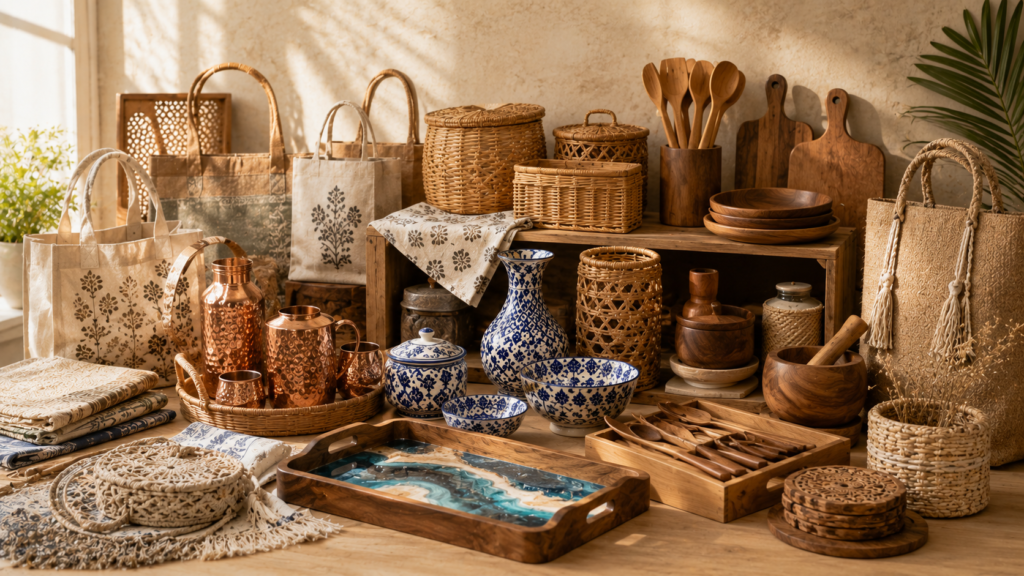
Introduction The global retail market continues to evolve as consumers search for products that offer more than basic functionality. Distinctive design, natural materials, craftsmanship, sustainability, and authentic product stories are becoming increasingly valuable for retailers looking to differentiate themselves from competitors. For importers, wholesalers, home décor stores, lifestyle brands, online retailers, and hospitality businesses, handmade products can provide attractive commercial opportunities. India is home to one of the world’s most diverse handicraft industries, offering products across textiles, natural materials, wood, pottery, metalware, and contemporary home décor. However, choosing the right products is essential. A commercially successful product should combine visual appeal, practical functionality, suitable pricing, reliable sourcing, manageable shipping costs, and strong demand within the target market. In this guide, we explore ten handmade product categories with strong retail potential in 2026 and discuss how businesses can create profitable collections around them. 1. Cotton Tote Bags Cotton tote bags continue to offer opportunities across fashion, lifestyle, gifting, travel, and everyday-use markets. Handblock printed and quilted cotton bags are particularly interesting for retailers because they combine functionality with distinctive patterns and traditional craftsmanship. Buyers can explore multiple variations, including shopping totes, shoulder bags, duffle bags, pouches, laptop sleeves, cosmetic bags, and travel organizers. Depending on supplier capabilities and order quantities, retailers may also explore private-label opportunities involving custom patterns, dimensions, labels, packaging, and colour combinations. The lightweight nature of textile products can also make cotton bags relatively convenient for storage and international transportation compared with larger home décor products. 2. Bamboo Storage Baskets Growing interest in natural materials has created opportunities for bamboo storage and home organization products. Bamboo baskets can be used across living rooms, bedrooms, kitchens, bathrooms, offices, and hospitality environments. For retailers, the category offers numerous opportunities to build coordinated collections around different sizes, shapes, functions, and design styles. Bamboo products can work particularly well for businesses targeting natural, contemporary, rustic, and sustainable-inspired interior markets. 3. Wooden Kitchenware Wooden kitchenware remains one of the most versatile categories for global retailers. Serving boards, bowls, trays, spice boxes, storage containers, spoons, platters, and kitchen accessories can appeal to home, gifting, restaurant, and hospitality markets. Natural wood grain gives products distinctive visual character, while functional designs make them suitable for everyday use. Retailers can also explore opportunities to create coordinated kitchen collections rather than selling individual products. 4. Copper Bottles and Drinkware Copper products combine traditional craftsmanship with distinctive visual appeal. Water bottles, glasses, jugs, serving trays, and drinkware sets can be positioned across kitchen, lifestyle, gifting, and hospitality categories. The warm metallic finish of copper can provide strong shelf appeal, particularly for brands targeting premium and traditional-inspired markets. Importers should carefully evaluate material specifications, surface treatments, construction, care requirements, and destination-market regulations when sourcing products intended for food or beverage contact. Businesses should also avoid making unsupported health claims when marketing copper drinkware. 5. Rattan Bags and Accessories Rattan and cane accessories can provide interesting opportunities within fashion and lifestyle markets. Handcrafted bags featuring natural materials can complement contemporary, resort, summer, and sustainable-inspired fashion collections. Popular opportunities may include handbags, crossbody bags, shopping bags, storage accessories, and decorative lifestyle products. Their distinctive woven textures can provide retailers with strong visual merchandising and social media opportunities. 6. Jute Products Jute is another versatile natural material with applications across bags, baskets, storage, packaging, home accessories, and gifting products. Its recognizable natural texture makes it suitable for businesses building earthy, rustic, sustainable-inspired, or minimalist collections. Retailers may explore jute shopping bags, storage baskets, table accessories, decorative pieces, and customized packaging solutions. The category can also work well when combined with other natural materials such as cotton, bamboo, cane, and wood. 7. Handblock Printed Home Textiles India’s rich textile traditions create numerous opportunities for international retailers. Handblock printed cushion covers, table runners, quilts, bedspreads, pouches, bags, and other home accessories can add colour and craftsmanship to retail collections. Because patterns, colour palettes, and product types can vary considerably, retailers can create distinctive seasonal or theme-based collections. Textile products can also provide opportunities for coordinated product ranges that encourage customers to purchase multiple complementary items. 8. Jaipur Blue Pottery Jaipur Blue Pottery offers global buyers an opportunity to introduce distinctive Indian craftsmanship into home décor, gifting, and lifestyle collections. Decorative plates, bowls, jars, coasters, soap dishes, aroma burners, planters, and serving accessories can be used to create colourful product ranges. The vibrant patterns and recognizable craftsmanship of Jaipur Blue Pottery can provide strong storytelling opportunities for retailers. However, because pottery products can be fragile, appropriate quality inspection and export packaging are particularly important. 9. Resin Serveware Resin artistry combines traditional natural materials with contemporary designs. Wooden serving boards, bowls, platters, cake stands, trays, and coasters enhanced with resin artwork can appeal to customers looking for distinctive home and dining products. The combination of natural wood grain and colourful resin patterns can create visually striking products suitable for gifting, home décor, and entertaining collections. For retailers, resin products can provide opportunities to introduce modern designs while maintaining a connection with handcrafted production. 10. Handcrafted Copper and Brass Décor Copper and brass products can provide opportunities across premium home décor, gifting, kitchenware, and hospitality markets. Decorative bowls, candle holders, vases, trays, drinkware, and traditional accessories can be incorporated into contemporary or heritage-inspired collections. The visual richness of handcrafted metalware can help retailers create premium product displays and distinctive seasonal collections. Understanding Retail Markups One of the biggest questions importers ask is: “How much profit can I make from handmade products?” There is no universal markup that applies to every product. Retail pricing depends on numerous factors, including: Some retailers use keystone pricing, where the retail price is approximately twice the wholesale cost, while premium, specialty, or direct-to-consumer businesses may use different pricing structures. Instead of focusing only on a fixed markup percentage, businesses should calculate the complete landed cost of each product. The landed cost can include the product price, packaging, freight, insurance, customs charges, duties, inspection costs, and other expenses associated with bringing the product

Uncategorized

The Ultimate Guide to Importing Handmade Products from India

Introduction India is one of the world’s most diverse sourcing destinations for handcrafted products. From traditional textiles and handcrafted wooden décor to Jaipur Blue Pottery, bamboo and cane creations, embroidery, metalware, and contemporary resin artistry, Indian manufacturers and artisans offer an extensive variety of products for international markets. However, importing handmade products successfully requires much more than simply finding an attractive product and placing an order. Buyers need to consider supplier reliability, product specifications, Minimum Order Quantities, quality control, packaging, shipping, documentation, and destination-market requirements. This guide explores the essential steps businesses should consider when sourcing and importing handcrafted products from India. 1. Define Your Product Requirements Before contacting suppliers, buyers should clearly define what they need. This may include: Clear product requirements make supplier communication more efficient and reduce the possibility of misunderstandings later in the sourcing process. 2. Finding Reliable Manufacturers and Suppliers One of the most important steps is identifying reliable suppliers. Buyers should evaluate product specialization, manufacturing capabilities, production capacity, export experience, communication standards, and quality-control processes. A supplier offering hundreds of unrelated product categories may not necessarily manufacture all products directly. Understanding the actual supply chain can help buyers make more informed decisions. 3. Always Start with Samples Samples allow buyers to evaluate products before committing to significant quantities. Important areas to inspect include materials, dimensions, colour accuracy, finishing, craftsmanship, functionality, and packaging. Approved samples can also provide a useful reference point during bulk production. 4. Understanding Minimum Order Quantities MOQ refers to the Minimum Order Quantity accepted by a manufacturer or supplier. Handcrafted products can have different MOQ requirements because production methods, materials, customization, and artisan capacity vary considerably. Buyers should discuss MOQ early in the sourcing process. For businesses testing a new market, negotiating smaller trial orders may sometimes be possible depending on the product and supplier. 5. Establish Clear Product Specifications Product specifications should clearly communicate buyer expectations. Depending on the product, specifications may include dimensions, material type, colours, finishes, weight, tolerances, packaging, labeling, and testing requirements. For handcrafted products, buyers should also understand which variations are natural characteristics of handmade production and which issues should be considered quality defects. 6. Quality Inspection Quality control is one of the most important parts of international sourcing. Inspection processes can include incoming material checks, production monitoring, random inspections, and pre-shipment inspection. Quality standards should be established before bulk production begins. 7. Export Packaging Products travelling internationally may experience repeated handling, stacking, vibration, and changing environmental conditions. Appropriate export packaging can reduce the risk of damage. Packaging may include protective wrapping, inner boxes, export cartons, dividers, moisture protection, and specialized packaging for fragile items. 8. Shipping and Logistics Buyers should understand available transportation methods and determine which option is appropriate for their order size, product category, delivery timeline, and budget. International orders may travel by sea freight, air freight, or courier services. The appropriate method depends on factors such as shipment volume, weight, urgency, and product value. 9. Export Documentation Documentation requirements depend on the product, shipping method, destination country, and transaction. Common documentation may include commercial invoices, packing lists, shipping documents, customs information, and product-specific documentation. Buyers should verify requirements relevant to their destination market before placing orders. 10. Common Mistakes First-Time Importers Make Common sourcing mistakes include: Most of these challenges can be reduced through careful planning and reliable partnerships. Working with a Sourcing and Export Partner International sourcing can involve coordinating multiple suppliers, artisans, inspections, documentation, and logistics providers. A sourcing partner can help simplify communication and coordinate different stages of the process. At Jayan Overseas, our goal is to provide international buyers with a more transparent and reliable approach to sourcing authentic Indian handicrafts. Start Sourcing from India with Confidence Successfully importing handmade products from India requires reliable communication, clearly defined specifications, quality assurance, suitable packaging, and careful logistics planning. With the right sourcing strategy and trusted partners, international buyers can access India’s diverse world of traditional craftsmanship and develop distinctive product collections for their markets. Looking for a trusted sourcing partner in India? Contact Jayan Overseas to discuss your product requirements and request a quote. ✨ Discover Global Sourcing Excellence with Jayan Overseas ✨ Jayan Overseas is your trusted B2B sourcing partner, connecting international buyers with India’s finest manufacturers and curated product lines from handicrafts and home décor to kitchenware, textiles, hospitality essentials, and more. With verified suppliers and end-to-end support, we make global procurement seamless, reliable, and efficient. 👉 Elevate your sourcing experience explore Jayan Overseas today. 📦 Bulk orders & customisation | 🌍 Worldwide delivery | 🤝 Trusted by global buyers

Uncategorized

Why Global Buyers Are Choosing Sustainable Indian Handicrafts Over Mass-Produced Products

The global retail landscape is changing. Consumers are no longer making purchasing decisions based only on price, appearance, and functionality. Increasingly, they want to understand where products come from, how they are made, what materials are used, and the impact their purchases may have on communities and the environment. This shift in consumer behaviour is creating new opportunities for retailers, wholesalers, hospitality brands, and importers worldwide. Instead of relying entirely on standardized, mass-produced products, many businesses are exploring collections that offer authenticity, craftsmanship, natural materials, and meaningful stories. Indian handicrafts are well positioned within this changing market. With centuries of artistic traditions and a diverse network of skilled artisans, India offers handcrafted products across categories such as bamboo and cane, wooden décor, handblock printed textiles, Jaipur Blue Pottery, embroidery, copper and brass crafts, and contemporary resin artistry. For global buyers, these products provide more than visual appeal. They offer an opportunity to create distinctive collections that combine functionality, cultural heritage, and skilled craftsmanship. The Global Shift Towards Conscious Consumption Sustainability has moved from being a niche concept to becoming an important consideration for businesses and consumers around the world. Customers are becoming more interested in products that use natural materials, offer greater durability, reduce dependence on unnecessary plastics, and support more responsible supply chains. Markets such as Europe, the United States, the United Kingdom, and Australia have seen increasing interest in products that communicate authenticity, responsible sourcing, and craftsmanship. This does not mean consumers are completely abandoning mass-produced products. However, it does mean that retailers have an opportunity to introduce carefully curated collections that provide something different. Handcrafted products can offer individuality, texture, character, and stories that standardized manufacturing processes often struggle to replicate. For retailers, this creates an opportunity to connect with customers who value not only the final product but also the materials, craftsmanship, and cultural heritage behind it. Why Indian Handicrafts Stand Out India has one of the world’s most diverse craft traditions. Different regions of the country are known for distinctive materials, production techniques, artistic styles, and generations of specialized craftsmanship. Rajasthan is internationally recognized for handblock printed textiles, Jaipur Blue Pottery, wooden handicrafts, embroidery, and decorative arts. Other regions of India have developed strong traditions around bamboo, cane, rattan, jute, metalware, natural fibres, and various forms of handcrafted home décor. This diversity allows international buyers to source multiple product categories while exploring collections with different aesthetics and market positioning. Unlike highly standardized factory production, handmade products may feature subtle variations in patterns, textures, colours, and finishes. These characteristics can contribute to the individuality and appeal of artisan-made collections. Natural Materials Are Becoming More Relevant One of the key factors contributing to interest in Indian handicrafts is the variety of natural materials used across different product categories. Bamboo, cane, rattan, jute, cotton, and wood can provide alternatives for businesses looking to diversify collections beyond heavily synthetic materials. Bamboo and Cane Bamboo and cane can be used to create storage baskets, trays, organizers, decorative accessories, furniture accents, and lifestyle products. Their natural appearance works particularly well with contemporary interior trends that emphasize warm, organic materials and neutral colours. Jute Jute is commonly used for bags, baskets, storage products, decorative accessories, and packaging solutions. Its distinctive natural texture can make it particularly suitable for brands building rustic, sustainable-inspired, or contemporary lifestyle collections. Handcrafted Wood Wooden kitchenware, serveware, trays, bowls, organizers, and decorative pieces continue to attract international buyers. Natural wood grain gives every handcrafted piece its own distinctive visual character. Cotton Textiles India’s textile heritage creates opportunities for buyers seeking handblock printed bags, cushion covers, table linens, quilts, pouches, and other home furnishing collections. Together, these materials provide global buyers with opportunities to create diverse product collections centred around craftsmanship and natural aesthetics. Handmade Products Tell Stronger Brand Stories Modern retail is increasingly influenced by storytelling. Customers often want to know more about the products they purchase. Who made the product? Where was it produced? What materials were used? What makes the production technique distinctive? Handcrafted products can provide retailers with compelling answers to these questions. A handblock printed cotton bag can communicate the story of traditional textile craftsmanship. A piece of Jaipur Blue Pottery can represent a celebrated regional craft tradition. A handcrafted wooden serving bowl can highlight the beauty and individuality of natural materials. These stories can become valuable components of product packaging, e-commerce descriptions, social media campaigns, in-store displays, and broader brand communication. Business Benefits for Retailers and Importers The growing interest in handcrafted and naturally inspired products can provide several opportunities for international businesses. Greater Product Differentiation Highly competitive retail markets often contain thousands of similar products. Distinctive handcrafted collections can help businesses develop a stronger product identity. Premium Market Positioning Craftsmanship, thoughtful design, natural materials, and product stories may allow certain handmade collections to be positioned within premium lifestyle segments. Opportunities for Private Label Collections Depending on manufacturing capabilities and order quantities, importers may explore custom colours, patterns, dimensions, packaging, and branding. This can help businesses create collections that better align with their target customers. Strong Visual Appeal Handcrafted products often perform well in visual marketing environments. Natural textures, vibrant patterns, and distinctive craftsmanship can provide attractive content for product photography, websites, catalogues, and social media. The Importance of Responsible Sourcing While interest in sustainable products is increasing, buyers should avoid assuming that every handmade product is automatically sustainable. Responsible sourcing requires careful evaluation. Buyers may need to consider factors such as material origin, manufacturing processes, product durability, packaging, working conditions, transportation, and end-of-life considerations. Transparency throughout the sourcing process can help businesses make better-informed purchasing decisions. This is where working with a reliable sourcing and export partner can become valuable. The Future of Indian Handicrafts in Global Retail The combination of natural materials, traditional techniques, distinctive designs, and authentic product stories creates significant opportunities for Indian handicrafts in international markets. As consumers continue exploring products with greater individuality and meaning, retailers and importers can differentiate themselves by introducing carefully curated artisan

Scroll to Top